NOVA ScriptsCentral is excited to collaborate with the American Pharmacist Association to launch the “NOVA ScriptsCentral & American Pharmacist Association Safety-Net Health Equity Fellowship”.
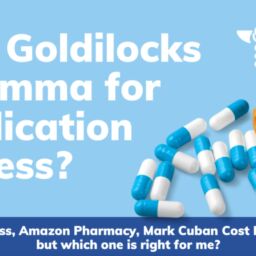
There are multiple factors that will impact an individual patient’s choice on how to go about getting their prescription medication. It can be overwhelming to navigate this complex issue.
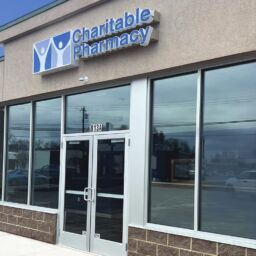
One in four Americans say they struggle to afford their prescription medications. The establishment of this Charitable Pharmacy in Milford will allow patients who live east of Cincinnati better access to care.
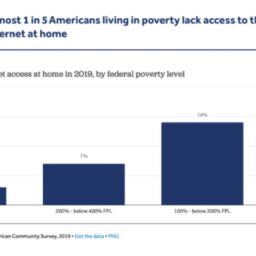
The term digital divide is defined as the differences
of economic and social inequality in both access and usage of ICTs. 2, 3 Some population groups that are
affected by the digital divide include uninsured, at or below 300% of the Federal Poverty Level (FPL), lack
of internet access, etc
Today’s release of new 2020 Census data provides population counts of nearly 1,500 race and ethnicity groups and American Indian and Alaska Native (AIAN) tribes and villages.
Recent federal legislative and regulatory updates in managed care pharmacy have prioritized topics ranging from expedited access to novel therapeutics to the health disparities and equity concerns affecting patient populations nationwide, but progress on these developments will depend on the impact of the midterm elections
Federal/state grants are not the only gateways to funding. There are close to 750 “community foundations” nationwide which are public charities dedicated to improving the lives of people in a defined local geographic area.